
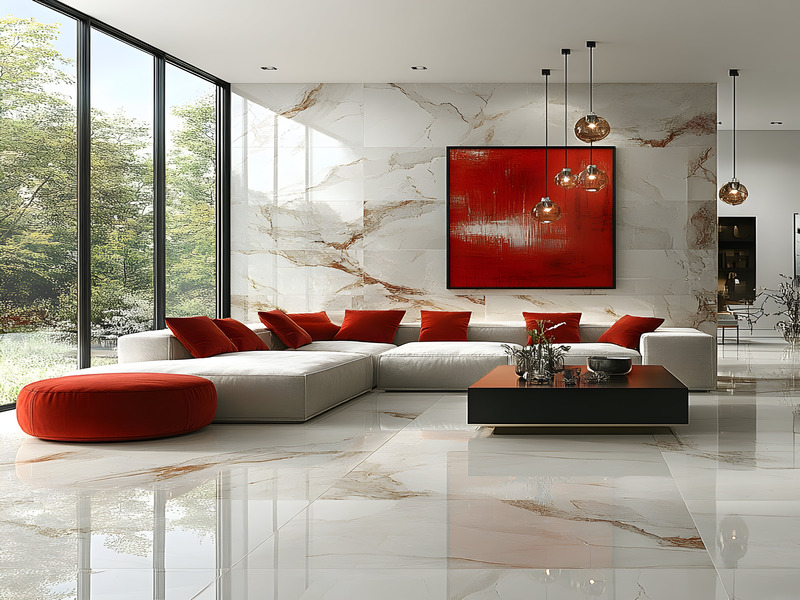
Glazed Vitrified Tiles (GVT) and Polished Glazed Vitrified Tiles (PGVT) are growing in popularity due to their luxurious appeal and durability. These tiles are 100% natural marble, real wood and stone textures, and they can be achieved with advanced digital printing without the associated high cost or heavy maintenance. They’re hard to stain, scratch, and water, and are perfect for contemporary residences as well as a lot of traffic commercial projects.
Everything You Need to Know About GVT & PGVT Tiles
The materials used in a building’s surface are among the most important structural and aesthetic choices you’ll make when building or remodeling. The finer balance between visual elegance, functional safety and durability is something which is required in modern interior design. Natural marble or hardwood are traditional materials that do not satisfy such requirements because of their porous surface, high price, and requirement for delicate maintenance.
This guide will discuss the reasons why GVT and PGVT have become the preferred choice of the top architects, interior designers and homeowners all over the world. You’ll discover the methods used to produce these tiles, what GVT and PGVT are and how to choose the ideal finish for your area to change it from a living environment into a space of your own design.
What Are GVT and PGVT Tiles?
Glazed vitrified tiles (GVT) are a special type of porcelain tiles with a tough coating of liquid glass. Advanced high-definition digital inkjet printing involves applying very detailed patterns on top of this glaze layer before the tile is fired at high temperatures.
The vitrification process lends the clay and minerals a dense body which is impervious to water and pressure.
- GVT (Glazed Vitrified Tiles): These are tiles with different surface finishes over the top of the glaze, including matte, satin, carved, sugar and rustic.
- PGVT (Polished Glazed Vitrified Tiles): Polished following an additional high-speed polishing process after glazing to create a mirror-like luster and high level of light reflectivity.
Key Reasons GVT and PGVT Tiles Dominate Modern Interiors
Architects and interior designers specify GVT and PGVT tile collections for several core advantages:
- Realistic Natural Aesthetic: High-definition computer-generated printing makes it possible to create a realistic impression of Italian marble, oak wood and concrete.
- Superior Surface Strength: Superior resistance to heavy traffic, scratches and structural wear.
- Zero Moisture Absorption: The vitrination process works by sealing the pores, so that there is no water damage or mold growing or deep staining of the structure.
- Low Maintenance Needs: Requires no regular sealing, special chemical cleaners or re-polishing as with natural stone.
GVT vs. PGVT Tiles: Comparing the Differences
While both tiles share a strong vitrified core, their surface treatments dictate where and how they perform best. Review this direct comparison to select the correct finish for your space:
Feature / Property | GVT Tiles (Glazed Vitrified) | PGVT Tiles (Polished Glazed Vitrified) |
Surface Finish | Matte, Satin, Rustic, Carving | High-Gloss Mirror Finish |
Light Reflection | Low to moderate light diffusion | High light reflection; brightens rooms |
Slip Resistance | Higher traction; safer when wet | Smoother surface; slippery when wet |
Maintenance | Hides dust, smudges, and footprints | Easy to wipe clean; shows water spots |
Ideal Applications | Bathrooms, kitchens, outdoor patios | Living rooms, grand entry lobbies, bedrooms |
Where to Use GVT and PGVT Tiles in Your Project
1. Living Rooms & Grand Foyers
In large living spaces, install large format PGVT tiles to achieve seamless, light-reflecting floors. Tiled floors with a shiny, marble finish give small rooms the impression of space and create a tasteful and elegant look.
2. Kitchens & High-Moisture Zones
For the kitchen floor use GVT tiles that are mat or satin. Such anti-slip surfaces ensure a secure foot hold around water points and are resistant to grease splatters and food stains.
3. Bathrooms & Wet Areas
Use textured or matte GVT tiles in the bathroom to avoid slipperiness. These floors can be matched with polished PGVT floors or bookmatch wall series on vanity backdrop walls to create an eye-catching look.
4. Commercial & Retail Layouts
Matte GVT tiles resist high daily foot traffic and will not scratch in areas such as office corridors, hotel receptions and retail centers.
Design Tip: GVT/PGVT Tiles are available in large sizes and will help to reduce the amount of grout lines visible. A fewer number of grout lines results in a seamless, uninterrupted floor, which makes interior spaces easier to clean and appear larger.
How to Select the Right GVT/PGVT Tiles
When selecting the best tiles for your architectural design, do the following evaluation step:
- Assess Foot Traffic: High traffic areas should have GVT tiles with matte finishes that will hide the wear and tear, while low traffic areas such as bedrooms can be covered with GVT tiles with gloss finishes.
- Evaluate Lighting Conditions: Light-colored PGVT tiles reflect natural and artificial light to the shadowed areas in darker rooms.
- Prioritize Safety: Avoid using polished PGVT outside on ramps, balcony floors and the main bathroom floors where water pools.
- Match Design Aesthetic: Browse pick-and-choose collections such as Avalta Granito’s Vitrified Collections to discover matching carvings, wood-look or bookmatch designs for your home.
- Verify Manufacturing Quality: Confirm that your tile exporter meets international standards, such as ISO certification, for consistent quality, size, and strength.
Frequently Asked Questions
What is the main difference between GVT and PGVT tiles?
GVT and PGVT tiles have a non-glossy finish and therefore can be matte or even satin, as well, or a high gloss, mirror-like finish, respectively.
Are PGVT tiles slippery on bathroom floors?
Yes. When wet, PGVT tiles get slippery and slippery GVT tiles are a far better option for bathroom floors.
Do GVT and PGVT tiles scratch easily?
No, they both have a very high vitrified core which is scratch resistant, but a matte GVT surface will hide the occasional scuffs that will happen over time, whereas a glossy PGVT surface will not.
How do I clean PGVT floor tiles?
Clean them using a microfiber mop and mild, pH neutral cleaning solution. Don’t use abrasive pads or harsh chemicals which could compromise the shiny glaze finish.
Can I use GVT tiles outdoors?
Yes. The matte and rustic finish of GVT tiles makes them suitable for outdoor patios and balconies, where they are expected to endure exposure to the elements.GVT tiles’ matte, rustic surface is well suited for outdoor patios and balconies where they will be exposed to outdoor weather.
Transform Your Space: Take Your Next Design Step
Ready to elevate your project with high-performance vitrified tiles? Measure your space with a 10% waste margin, then explore the marble, carved, and glossy collections at Avalta Granito. Contact the Avalta Granito team today to request samples and get expert guidance for your layout.