
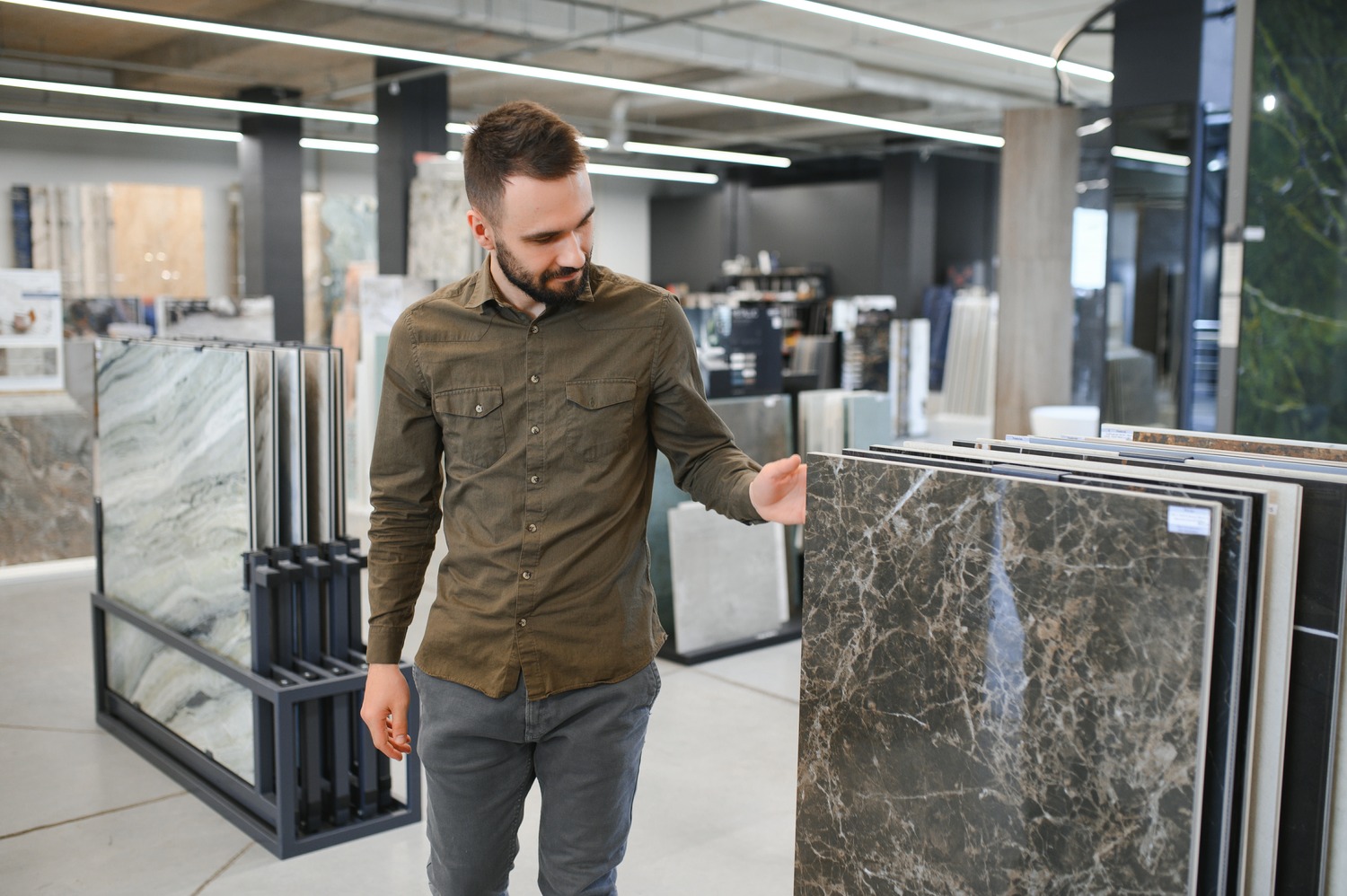
To identify quality vitrified tiles before buying, check for a water absorption rate under 0.5%, precise dimensional consistency with sharp 90-degree edges, high scratch resistance (MOHS scale rating above 6), and uniform shade across batches. Quality vitrified tiles sound dense with a metallic ringing tone when struck gently and show no visible surface pinholes or warping.
What Will You Learn in This Inspection Guide?
When it comes to flooring materials for your home or commercial project, there are a lot of things to consider and a lot of money invested. Although they are popular, because they are hard, low maintenance and come in a wide variety of styles, there are some problems that can arise from the different qualities of production that can cause cracking, staining, and an uneven installation.
This hands-on book will teach you how to test vitrified tiles on site, how to make technical decisions, how to review technical parameters, and which type of tile is the best option for your space.
What Simple On-Site Tests Help You Spot Quality Vitrified Tiles?
Basic lab equipment is not required to perform first pass tests on tile quality. Simple physical checks can identify manufacturing faults in no time.
- The Sound Test: Gently tap two tiles together or tap a single tile with a coin. High density and good vitrification means a clear metallic ring sound; dull thud means there are air pockets or weakness in the interior of the material.
- The Water Absorption Test: Careful water is poured on the reverse side of the tile. Quality vitrified tiles have a non-porous structure, and as such absorb very little moisture, which is fired at extremely high temperatures.
- The Scratch & Stain Test: Gently scratch the glazed surface with a sharp key or coin or use a drop of ink. High Grade Tiles resist scratching and wipe ink easily without leaving behind any permanent markings.
- The Straightness Check: Lay two tiles, back to back or side by side on a flat surface that is completely level. Check for gaps or light showing through – for warping or curvature along edges.
If you are choosing materials for the next renovation you are undertaking, check out the top offerings on the Avalta Granito to compare premium finishes and specs.
How Do Technical Specifications Indicate Tile Quality?
Understanding technical rating metrics ensures you select tiles built to handle your specific foot-traffic demands.
Quality Parameter | What to Look For | Why It Matters |
Water Absorption Rate | Below 0.5% | Prevents moisture seepage, mold growth, and tile lifting over time. |
PEI Wear Rating | Group 3 to Group 5 | Determines surface resistance against abrasion and heavy foot traffic. |
MOHS Hardness Scale | Rating 6 or higher | Guarantees scratch resistance against household furniture and debris. |
Thickness Uniformity | Standard 8mm to 12mm+ | Ensures uniform load distribution and prevents cracking under heavy pressure. |
To browse through diverse technical grades and surface designs, take a look at the wide variety in the Avalta Granito Vitrified Tiles Collection.
What Are the Key Types of Vitrified Tiles to Consider?
The various manufacturing methods create a range of vitrified tiles suitable for different functional needs and design tastes.
- Double Charged Vitrified Tiles: These tiles are created by pressing two layers of pigment into each other, resulting in a thickness of 3mm to 4mm. These are very tough materials and they work well in areas with high foot traffic, such as homes and office buildings.
- Full Body Vitrified Tiles: All the color or pigment is spread throughout the depth of the tile. The damage will basically stay undetectable if scratched or chipped.
- Glazed Vitrified Tiles (GVT/PGVT): A glaze is digitally printed on the surface, providing endless options of designs in a variety of textures such as marble, wood, stone and high surface shine.
These unique varieties can be directly compared in the Avalta Granito Shop Directory to determine which is best suited to your layout.
How Do You Inspect Tiles Before Final Installation?
First, no matter how good the tile is, a fast batch check is necessary before placing it on the floor or walls.
- Verify Batch Numbers: Ensure all boxes have the same batch number and shade code to avoid colour differences where different tiles are used in the same room.
- Inspect Edge Sharpness: Make sure that there are true 90-degree right angles (rectified edges) to reduce grout lines in installation.
- Examine Surface Finish: Use direct light to examine the tiles for pinholes, bubbles and uneven glaze.
- Check Diagonal Dimensions: Measure diagonal – diagonals should be the same both ways for symmetry.
To learn more about how to choose coverings for your home, read our expert article on Evaluating Tile Specifications for Homes to prevent some common mistakes.
Frequently Asked Questions
What is the difference between ceramic tiles and vitrified tiles?
Vitrified tiles are manufactured by firing materials, such as clay, quartz, feldspar and silica, at much higher temperatures than ceramic tiles. This process creates denser, sturdier, less porous and extremely durable tiles than conventional ceramics
Why is low water absorption important for vitrified tiles?
Water absorption will be < 0.5% so the tile won’t absorb moisture from the subfloor or any spills on the surface. This will help to avoid staining, structural breakdown, mold growth and tile popping in areas such as bathrooms and kitchens that are prone to moisture.
Are full body vitrified tiles better than double charged tiles?
Full body tiles work best for a high volume of industrial or commercial traffic as the colour is throughout the body. The double charged tiles work best for luxury residential and commercial properties and are extremely durable, featuring rich patterns.
How can I make sure tile shades match across all boxes?
Before installing, make sure that all the boxes you receive on site contain the same batch number, shade code, and caliber information on the outside of the box.
Key Takeaways for Your Tile Purchasing Decisions
Identifying quality vitrified tiles comes down to verifying low water absorption, testing for scratch and stain resistance, and inspecting dimensional straightness. By performing simple physical checks and selecting the right tile grade for your foot-traffic needs, you guarantee a long-lasting, visually appealing floor. Explore top-quality manufacturing options today to bring durability and elegance to your space!